
Get Indoor Air Quality Testing in Bear, DE
Indoor Air Quality Testing services for property owners in Bear, DE, and nearby areas identify issues like mold, allergens, or pollutants to improve indoor comfort and safety.
Indoor air quality testing services provide property owners in Bear, DE with insights into the condition of the air within their homes and commercial spaces. By identifying potential pollutants such as allergens, mold spores, volatile organic compounds (VOCs), and other airborne contaminants, these services help create a healthier indoor environment. Ensuring good air quality can enhance overall comfort, reduce allergy and asthma symptoms, and promote a safer living or working space for all occupants.
Engaging in indoor air quality testing can also support the longevity and functionality of a property. Detecting issues early may lead to reduced maintenance needs, prevent the buildup of damaging mold or pollutants, and improve the durability of building materials. Additionally, maintaining high indoor air standards can boost curb appeal by fostering a fresh, clean atmosphere that contributes to a welcoming and well-maintained property.
- Indoor air quality testing services are recommended for homes experiencing persistent odors or unexplained allergy symptoms.
- These services are useful when new occupants move into a property and want to assess air safety.
- They can be beneficial after renovations or remodeling to ensure indoor environments are free from airborne contaminants.
- Indoor air quality testing is advised for buildings in areas with high pollution or wildfire smoke exposure.
- Property owners seeking to identify sources of indoor pollutants may consider professional testing services.
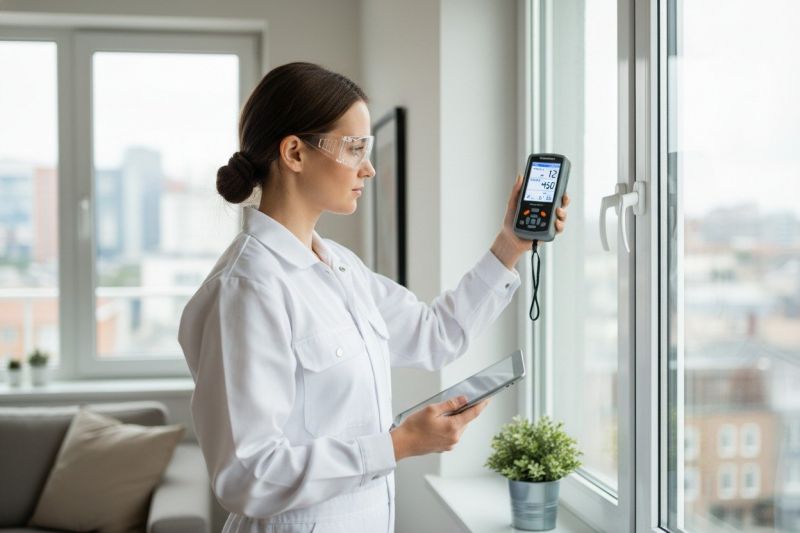
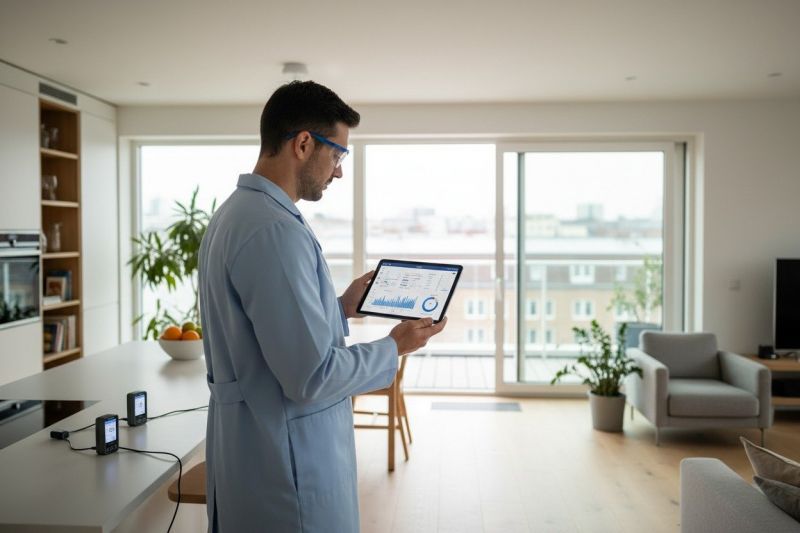
Indoor Air Quality Testing services involve assessing the air within a property to identify potential pollutants and contaminants that may affect health and comfort. These services typically include collecting air samples from various areas inside a building and analyzing them for common indoor pollutants such as volatile organic compounds (VOCs), mold spores, dust particles, and airborne chemicals. The goal is to provide a comprehensive understanding of the indoor environment, helping property owners and occupants determine if air quality issues are present and require attention. This testing is often performed using specialized equipment designed to detect a wide range of airborne substances, ensuring a thorough evaluation of the indoor atmosphere.
Addressing indoor air quality concerns can help resolve a variety of problems, including persistent odors, allergy symptoms, respiratory issues, and unexplained health complaints among occupants. Poor air quality may stem from sources like mold growth, inadequate ventilation, chemical off-gassing from building materials, or accumulated dust and allergens. By identifying specific pollutants or sources, property owners can take targeted steps to improve the indoor environment. This process not only contributes to healthier living and working spaces but can also prevent long-term issues related to mold growth, pest infestations, or chemical exposure.
Indoor Air Quality Testing services are commonly used in residential properties, commercial buildings, schools, and healthcare facilities. Homes that experience mold problems, musty odors, or allergy symptoms often benefit from testing to pinpoint underlying causes. Commercial properties, such as offices and retail spaces, may utilize testing to ensure a healthy environment for employees and customers, especially if occupants notice persistent smells or health complaints. Educational and healthcare facilities also frequently seek testing to maintain safe indoor conditions, where vulnerable populations are present and air quality standards are a priority.
Engaging with local service providers for indoor air quality testing can help property owners identify issues early and implement effective solutions. These professionals offer the expertise and equipment necessary to perform detailed assessments tailored to each property’s unique needs. Whether addressing specific concerns or conducting routine evaluations, connecting with experienced local pros ensures that indoor air quality is thoroughly examined, supporting healthier, more comfortable indoor environments.
The overview below groups typical Indoor Air Quality Testing projects into broad ranges so you can see how smaller, mid-sized, and larger jobs often compare in Bear, DE.
In many markets, a large share of routine jobs stays in the lower and middle ranges, while only a smaller percentage of projects moves into the highest bands when the work is more complex or site conditions are harder than average.
Testing Costs - Indoor air quality testing services typically range from $200 to $600 for standard assessments. Prices vary based on the size of the space and the complexity of testing required. Local pros can provide detailed quotes tailored to specific needs.
Sampling Fees - The cost for sampling indoor air can be between $100 and $300 per sample. Additional samples may increase the total cost, depending on the scope of testing. Contact local service providers for precise pricing options.
Labor and Analysis - Laboratory analysis fees usually fall within the $150 to $400 range per test. These fees cover the examination of collected samples to identify pollutants or allergens. Prices may differ based on testing methods and laboratory rates.
Comprehensive Assessments - Full indoor air quality evaluations often cost between $300 and $1,000. This includes multiple tests and a detailed report of findings. Local indoor air quality specialists can offer specific cost estimates for comprehensive services.
Actual totals will depend on details like access to the work area, the scope of the project, and the materials selected, so use these as general starting points rather than exact figures.
Indoor Air Quality Testing services help identify pollutants and allergens present in residential and commercial spaces. Local professionals can assess air conditions to ensure a healthier indoor environment.
Environmental Monitoring involves measuring levels of airborne contaminants, such as mold spores or volatile organic compounds, to determine air quality issues indoors.
Mold Testing and Inspection services detect mold presence that may affect indoor air quality, aiding in identifying sources and extent of mold growth.
Ventilation System Evaluation helps determine if existing ventilation is effectively improving air circulation and reducing indoor pollutants.
Radon Testing services measure radon levels to assess potential health risks associated with this radioactive gas in indoor environments.
Air Purity Assessments involve analyzing indoor air for particulate matter and chemicals, supporting decisions on air purification solutions.

When selecting a professional for Indoor Air Quality Testing, it is important to consider their experience in the field. Homeowners should look for providers who have a proven track record of conducting thorough and accurate assessments. Experienced local specialists are more likely to understand the specific challenges that can affect indoor air quality in the Bear, DE area, and can offer insights based on their familiarity with common issues and effective testing methods. This background can contribute to more reliable results and tailored recommendations for improving indoor air conditions.
Clear communication and well-defined expectations are essential when working with an indoor air quality testing provider. Reputable local service providers typically outline what the testing process involves, what homeowners can expect during the assessment, and how the results will be delivered. Having this information in advance helps ensure transparency and allows homeowners to prepare appropriately. Providers who communicate openly and provide written expectations can help reduce uncertainties and foster a more comfortable, informed experience.
Reputable references and endorsements from other homeowners can serve as helpful indicators of a local provider’s reliability and professionalism. While the information below introduces options, it does not perform the testing itself, emphasizing the importance of researching and verifying the credentials of local pros. Effective communication channels and prompt responses are also signs of a well-organized service provider. Homeowners are encouraged to seek out local specialists with positive feedback, clear communication practices, and a transparent approach to their indoor air quality testing services.
Property owners in Bear, DE use Indoor Air Quality Testing services for practical projects around their homes and businesses. The sections below highlight everyday jobs and straightforward project options.
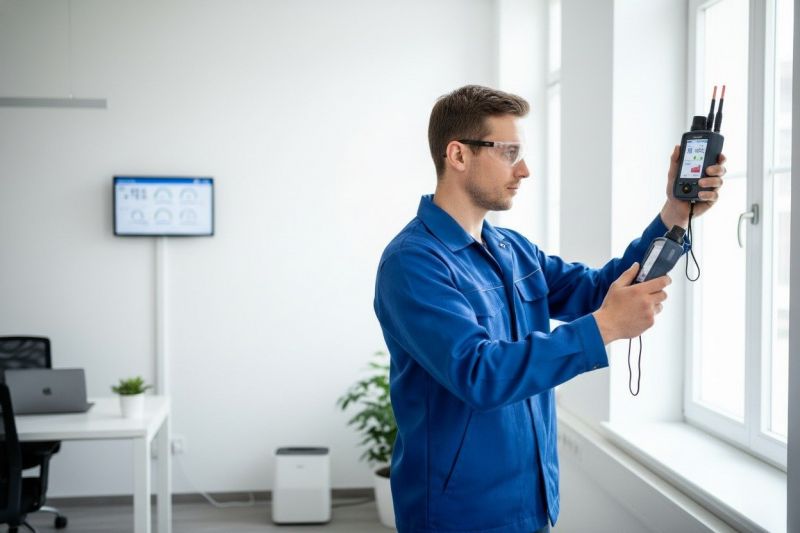
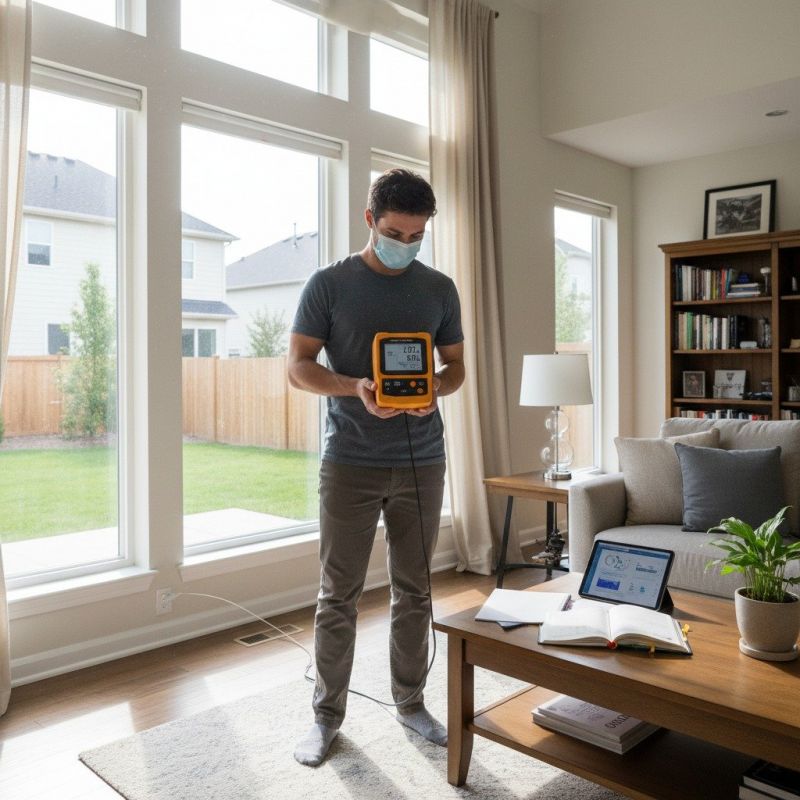
Indoor air quality testing services are often sought by property owners in Bear, DE who notice musty odors, persistent allergies, or unexplained respiratory issues within their homes or businesses. These tests can help identify hidden pollutants such as mold spores, dust mites, or airborne chemicals that may be affecting indoor environments. By understanding the specific factors impacting indoor air, property owners can take targeted steps to improve comfort and health.
Additionally, property owners may consider indoor air quality testing when preparing for real estate transactions, renovating, or addressing concerns related to recent water damage or construction activities. These services provide valuable insights into indoor pollutant levels, helping owners make informed decisions about necessary remediation or improvements. Connecting with local professionals ensures that testing is conducted accurately and efficiently.
What is indoor air quality testing? Indoor air quality testing involves assessing the levels of pollutants and allergens inside a building to identify potential health risks.
Why should someone consider indoor air quality testing? Testing can help detect issues such as mold, dust, or volatile organic compounds that may affect health and comfort.
How is indoor air quality testing performed? Certified professionals typically use specialized equipment to collect air samples for laboratory analysis or real-time measurements.
What pollutants can indoor air quality testing identify? Tests can detect mold spores, allergens, volatile organic compounds (VOCs), particulate matter, and other airborne contaminants.
How often should indoor air quality testing be conducted? The frequency depends on factors like recent renovations, allergies, or suspected issues; a professional can advise on appropriate timing.
Indoor Air Quality Testing Benefits - Discover how testing can identify pollutants and allergens affecting indoor air quality.
Types of Air Quality Tests - Learn about different testing methods available to detect mold, VOCs, and other airborne contaminants.
Choosing Local Air Quality Experts - Find qualified service providers in Bear, DE, to perform accurate indoor air assessments.
Scheduling Testing Services - Contact local professionals to arrange indoor air quality testing tailored to specific concerns.
Considering Indoor Air Quality Testing for a property in Bear, DE? The sections above highlight common project types, practical options, and details that often shape the scope of work.
When you are ready, use the quote form to share a few details about your project. Local pros can review the basics and respond with options that match what you have in mind.